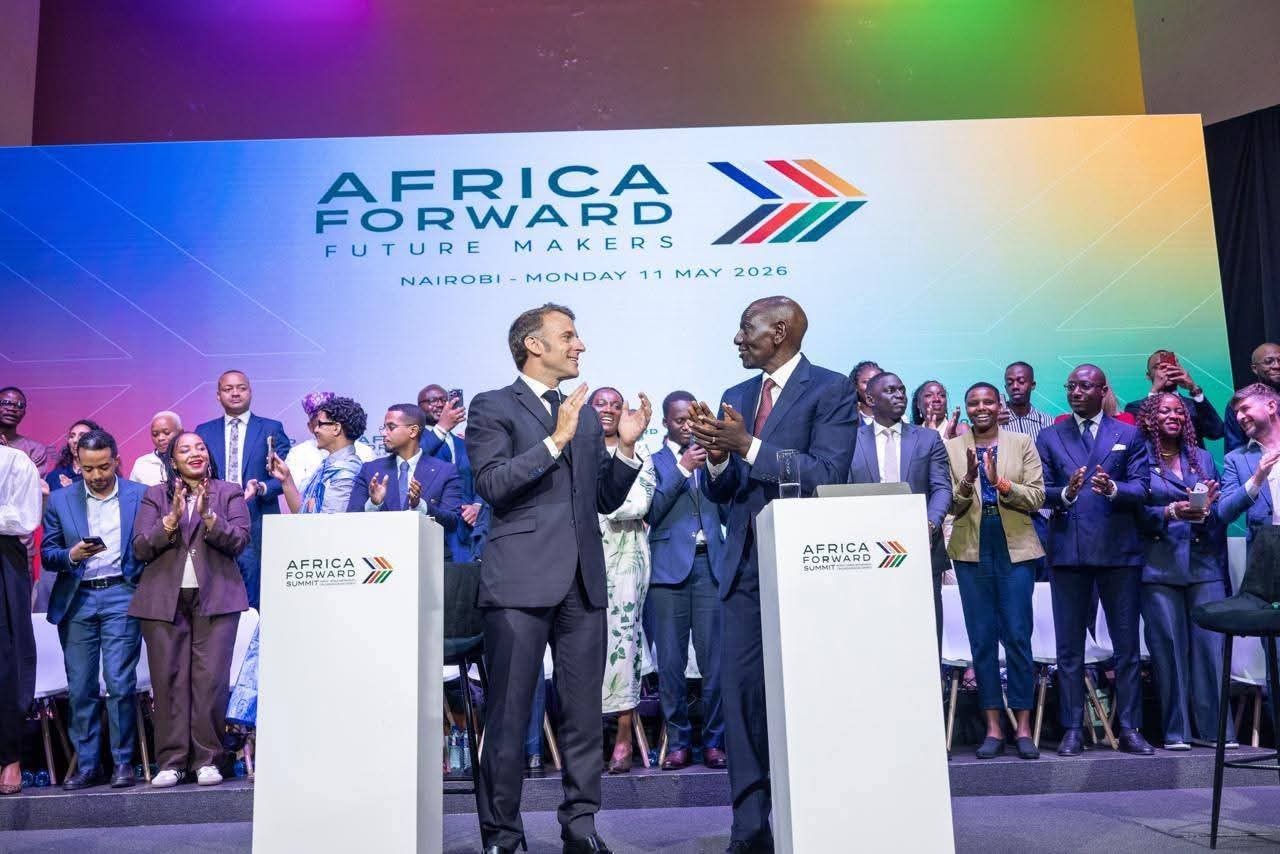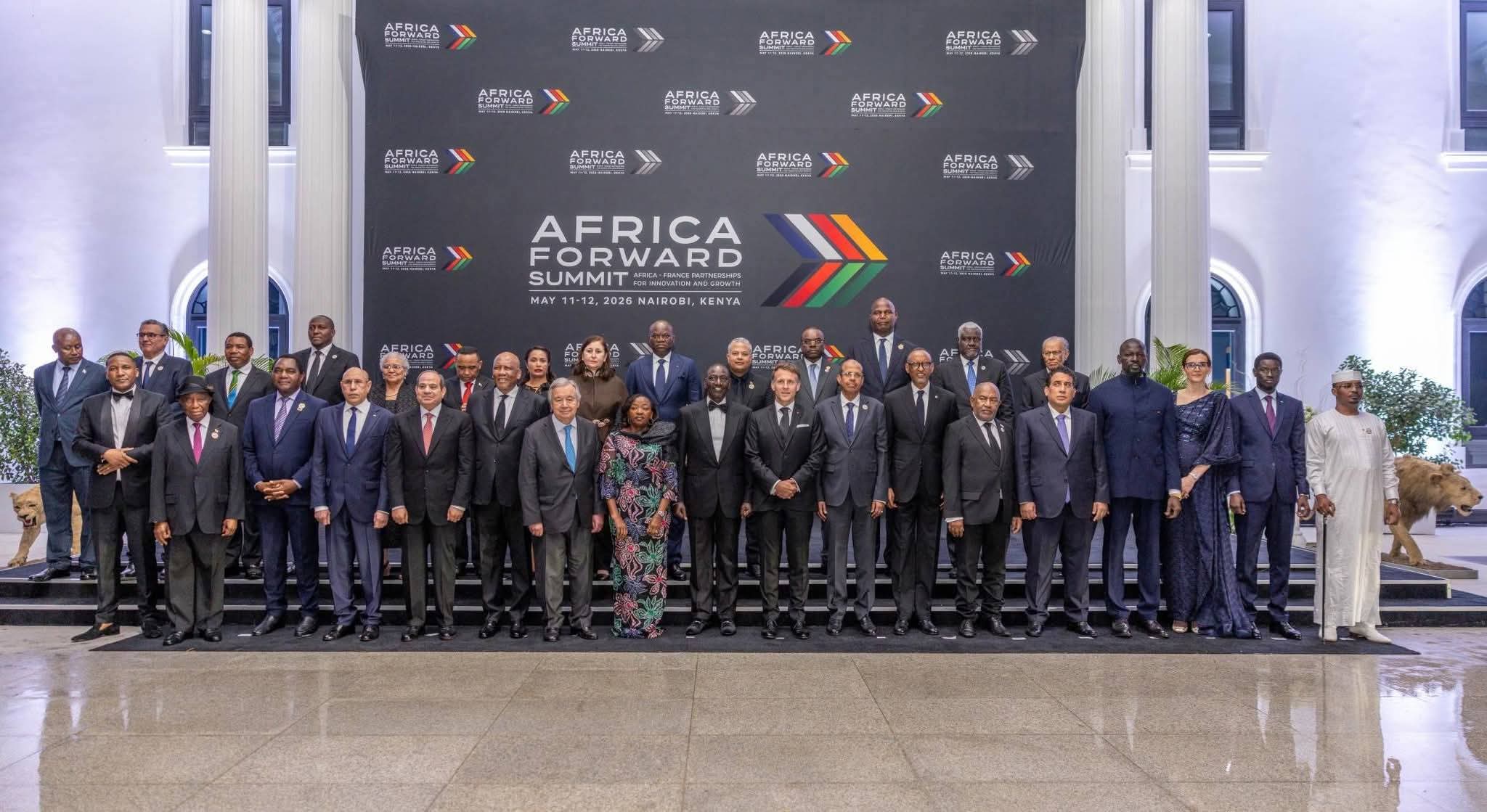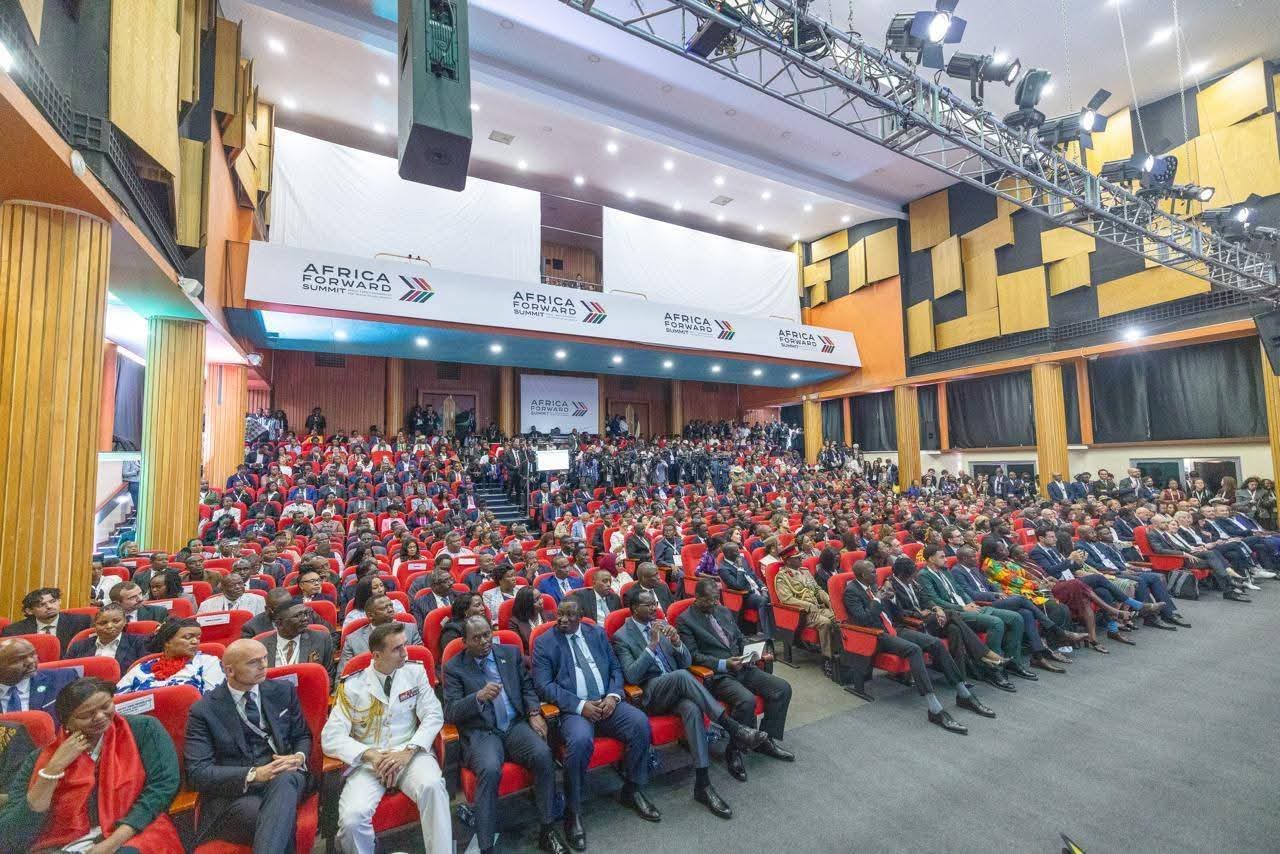
The recent Africa Forward Summit brought together influential leaders, innovators, policymakers, investors, and development actors to discuss Africa’s economic future and the continent’s position within the global economy.
The summit featured bold and necessary conversations around 𝗔𝗜, 𝗱𝗶𝗴𝗶𝘁𝗮𝗹 𝘁𝗿𝗮𝗻𝘀𝗳𝗼𝗿𝗺𝗮𝘁𝗶𝗼𝗻, 𝗶𝗻𝗳𝗿𝗮𝘀𝘁𝗿𝘂𝗰𝘁𝘂𝗿𝗲, 𝗶𝗻𝘃𝗲𝘀𝘁𝗺𝗲𝗻𝘁, industrialization, and strategies for accelerating sustainable economic growth across Africa.
At Saidika Organization, we found these conversations both timely and important, particularly as Africa continues to position itself as a rising force in innovation, entrepreneurship, and youth-driven development.
However, one key observation remained evident throughout the discussions:
Africa’s 𝗰𝗿𝗲𝗮𝘁𝗶𝘃𝗲 𝗲𝗰𝗼𝗻𝗼𝗺𝘆 continues to receive recognition in words more than in actual investment priority.
Across the continent, the creative sector is consistently acknowledged as a driver of youth employment, cultural influence, innovation, and identity. Yet despite this recognition, there remains limited conversation around long-term financing structures, ownership opportunities, infrastructure investment, intellectual property protection, and policy frameworks designed to strengthen the sector sustainably.
Many of the summit’s major commitments focused on banking systems, industrialization, infrastructure financing, private capital mobilization, and technology ecosystems. Meanwhile, the creative economy was often positioned as an inspirational component of development rather than as a fully investable economic sector.
This presents an important gap in Africa’s development agenda.
According to UNESCO, Africa’s film and audiovisual industries already contribute approximately $5 billion to the continent’s GDP and support more than 5 million jobs, with the potential to generate over 20 million jobs and $20 billion in annual revenues if adequately supported.
In addition, UNCTAD Creative Economy Outlook 2024 highlights that the global creative economy has become a major contributor to international trade and economic growth, with creative services exports surpassing $1.4 trillion globally.
Research by Brookings Institution further projects that Africa’s creative economy could grow into a $200 billion sector by 2030.
Despite this enormous potential, significant barriers continue to affect creatives across the continent, including:
Limited access to financing and investment
Weak intellectual property protection systems
Insufficient creative infrastructure
Low public investment in arts and culture
Informality within the sector
Limited policy protection for digital creators and creative entrepreneurs
At Saidika Organization, we believe Africa cannot expect creativity to fuel transformation while continuously treating the sector as secondary within economic planning.
If Africa genuinely believes in the power of the creative economy, then governments, development institutions, private sector actors, and investors must intentionally build systems that allow creatives to own, scale, protect, and sustain their work.
The future of Africa will not only be shaped in financial institutions, policy rooms, and technology hubs.
It will also be shaped by 𝘀𝘁𝗼𝗿𝘆𝘁𝗲𝗹𝗹𝗲𝗿𝘀, 𝗮𝗿𝘁𝗶𝘀𝘁𝘀, 𝗳𝗶𝗹𝗺𝗺𝗮𝗸𝗲𝗿𝘀, 𝗺𝘂𝘀𝗶𝗰𝗶𝗮𝗻𝘀, 𝗳𝗮𝘀𝗵𝗶𝗼𝗻 𝗱𝗲𝘀𝗶𝗴𝗻𝗲𝗿𝘀, 𝗱𝗶𝗴𝗶𝘁𝗮𝗹 𝗰𝗿𝗲𝗮𝘁𝗼𝗿𝘀, writers, gamers, and cultural entrepreneurs whose work continues to influence identity, opportunity, innovation, and Africa’s global voice.
The creative economy should no longer remain on the sidelines of Africa’s economic conversation.
It must become part of the continent’s central development agenda.
𝗦𝗼𝘂𝗿𝗰𝗲𝘀 & 𝗥𝗲𝗳𝗲𝗿𝗲𝗻𝗰𝗲𝘀
#AfricaForwardSummit #CreativeEconomy #AfricanInnovation #YouthLeadership #DigitalEconomy #AfricaRising #CreativeIndustries #PolicyLeadership #FutureOfAfrica